
Why Privacy Policies Matter Before Account Registration
You download a new app. The setup screen appears, and there it is at the bottom I agree to the Terms and Privacy Policy. You tap it without a second thought and you’re in. The whole thing takes less than a minute. Most Indian users do exactly this, dozens of times a year, across shopping apps, food delivery services, gaming platforms, and payment tools. The privacy policy is right there, but almost nobody reads it. That habit has real consequences.
What a Privacy Policy Actually Is
A privacy policy is a written statement from a company that explains what personal data it collects when you sign up, how it uses that data, who else can see it, and how long it keeps it. It is not a formality. The moment you tick I agree, you have legally accepted its terms, whether you read them or not.
In India, the Digital Personal Data Protection Act 2023 governs how personal data should be collected, stored, and used. This Act was passed by Parliament in August 2023 and gives users specific rights, including the right to consent, correction, and erasure of their data. You can read the official text on the Ministry of Electronics and Information Technology website.
What Happens to Your Data After You Register
When you create an account, a platform typically collects your name, phone number, email address, and sometimes your location or device details. That part most people expect. What surprises them is what comes next.
Many platforms share this data with advertising partners, analytics tools, or affiliated companies. Some store your data on servers outside India. Others track your behaviour long after you stop using the app. A privacy policy is your best preview of how a company handles your data. It outlines exactly what information the company gathers and how they intend to use it.
What to Check Before You Sign Up
You do not need to read every word. But four sections are worth checking before you hand over your details.
Data collection: Look at what types of information the platform asks for. Name and email are standard. If an app wants your Aadhaar number, bank account details, or location at all times, the policy should clearly explain why. Under the DPDP Act, bundled consent, where companies request permission for a broad range of uses with little detail, is not allowed. Each use of your data must be specified.
Third-party sharing: Search for words like partners, affiliates, or third-party service providers. A trustworthy policy names who receives your data and for what purpose. Vague lines such as we may share your data with trusted partners are a reason to pause.
Your rights as a user: Under the DPDP Act, a user has the right to obtain information about data processing, seek correction and erasure of personal data, and raise grievances. If a policy does not mention these rights at all, that is a gap worth noting.
Grievance Officer details: Indian websites and apps are required to appoint a Grievance Officer, and their name, email, phone number, and postal address must be published in the privacy policy or in linked pages. If you cannot find this, the platform may not be compliant.
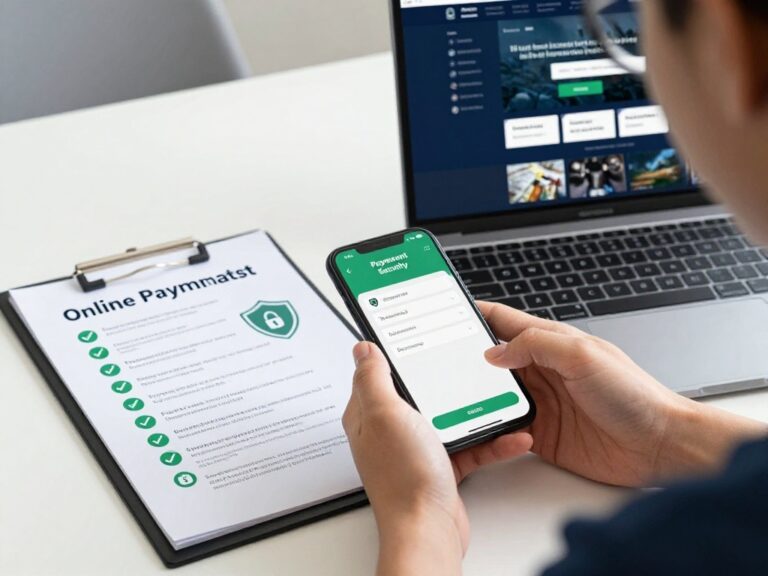
A Quick Checklist Before You Register
| What to Look For | Why It Matters |
|---|---|
| Types of data collected | Know exactly what you are sharing |
| Third-party sharing details | Avoid surprise data sales or spam |
| Account deletion process | Confirm your right to erase your data |
| Grievance Officer contact | Know who to contact if something goes wrong |
| Effective date of the policy | Check that it is recent and updated |
Why This Is Especially Important for Gaming and Money Apps
Apps that involve real payments, UPI transfers, or online gaming collect far more sensitive data than a basic shopping site. Before you install a lotus365 apk or any similar gaming platform, take two minutes to check the privacy policy. Confirm what financial or personal data it collects, whether it shares that data with third parties, and what happens to your account history if you close the account.
The same applies when you come across different versions or products from the same platform, such as lotus365 blue. Some apps request access to your contacts, camera, or payment details as part of the registration process. The privacy policy should explain each permission and limit it to what the app actually needs.
A note on online gaming and betting apps: The legal status of online betting platforms varies from state to state in India. Some states permit certain forms of online gaming others do not. Before registering on any such platform, check the rules in your state. If you are unsure, speak with a legal professional before sharing your financial details.
Red Flags That Should Give You Pause
Some privacy policies are harder to trust than others. Watch for these signs:
- No effective date, or a policy that hasn’t been updated in several years
- Broad language like we may use your data for any purpose we find appropriate
- No mention of a Grievance Officer or any contact for privacy concerns
- The policy is only accessible after you complete registration, not before
- A clause saying the company can change the policy without notifying you
Under the DPDP Act, companies face fines up to ₹250 crore for data breaches or misuse. Not responding to user complaints can attract a penalty of up to ₹50 crore. These penalties exist because data protection is serious. A platform that is genuinely compliant will make this easy to see in its policy.
Make It a Two-Minute Habit
Reading a privacy policy does not mean sitting down with a dictionary. Scroll to the data collection section, check who your data goes to, find the Grievance Officer’s details, and confirm that you can delete your account and data if you choose to. That is two minutes of reading that can protect you from months of spam calls, unsolicited marketing, or worse.
If any clause raises a question you cannot answer, do not register until you can. Your personal data is not easy to take back once it has been shared.