
How to Read a Website’s Terms Before Trusting It
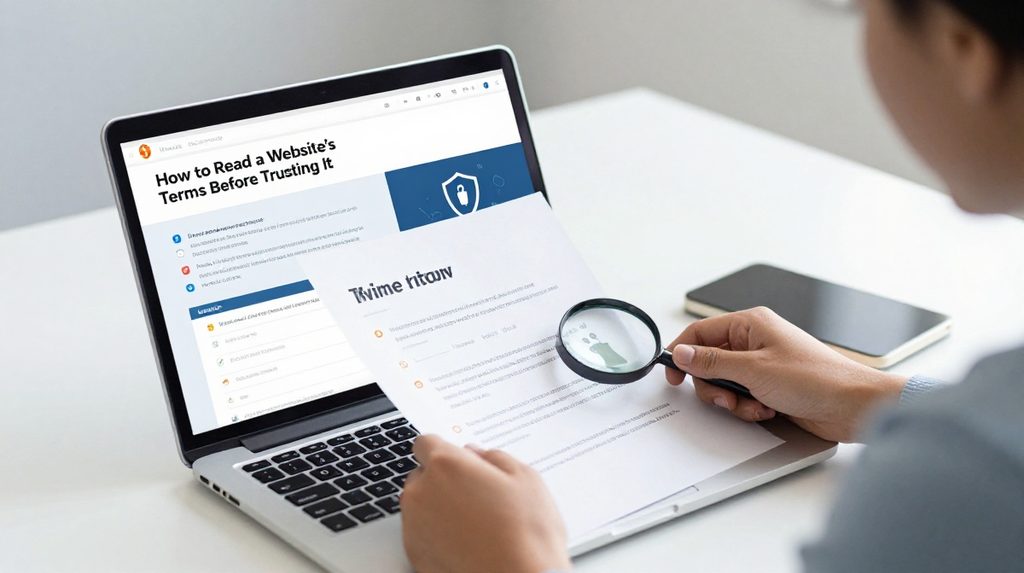
Say you find a new platform you want to try. The sign-up button is bright and easy to spot, and the whole thing looks professional. But somewhere at the bottom of the page, in grey text smaller than everything else, is a link that says Terms and Conditions. Most people scroll past it. Many regret that later.
A website’s terms page is a legal contract between you and the company. Once you click I agree, those terms apply to you, whether you read them or not. This guide shows you what to actually look for, so you can decide if a site is worth your trust before you hand over your phone number, email, or money.
Why Most People Get Burned Without Reading the Terms
Here is a common situation in India. Someone signs up on a new gaming or e-commerce site, adds money to their account, and then tries to withdraw. They get stuck because a clause buried in the terms said withdrawals take up to 30 working days, or require identity documents the user never submitted, or can be refused if the account is flagged. The user had no idea. The company had the proof that the user had agreed to it.
Reading the terms does not take an hour. You don’t need to read every word. You just need to know which sections matter and what phrases to watch out for.
How to Read a Website’s Terms Before Trusting It
Step 1: Check If the Terms Are Easy to Find
Scroll to the footer of the website. The links to the terms, privacy policy, and refund policy should be right there. If you have to search for them, that itself tells you something.
The text should also be readable. A site that writes its terms in very complicated language may not want you to understand what you are agreeing to. Some Indian companies now publish simplified summaries alongside the legal text, and that is a good sign.
Step 2: Find Out Who Is Actually Running the Site
The terms should clearly state the full legal name of the company, where it is registered, and a working contact email or postal address. Many users in India assume a site is locally run because it accepts rupees and shows Indian cricket ads, but the actual company might be registered in Curaçao, Malta, or Cyprus.
This matters a lot. If something goes wrong, you need to know which country’s laws protect you. Look for a line like this agreement is governed by the laws of India or disputes will be heard before the courts of Indian city. If the governing law is from a country you have never heard of, recovering money through legal means becomes far harder.
Before you fill in your personal details for any account, whether it is for a shopping app, a sports platform, or completing a lotus365 signup, check the company’s registered name and address in the terms first.
Step 3: Look at What Data They Collect and Where It Goes
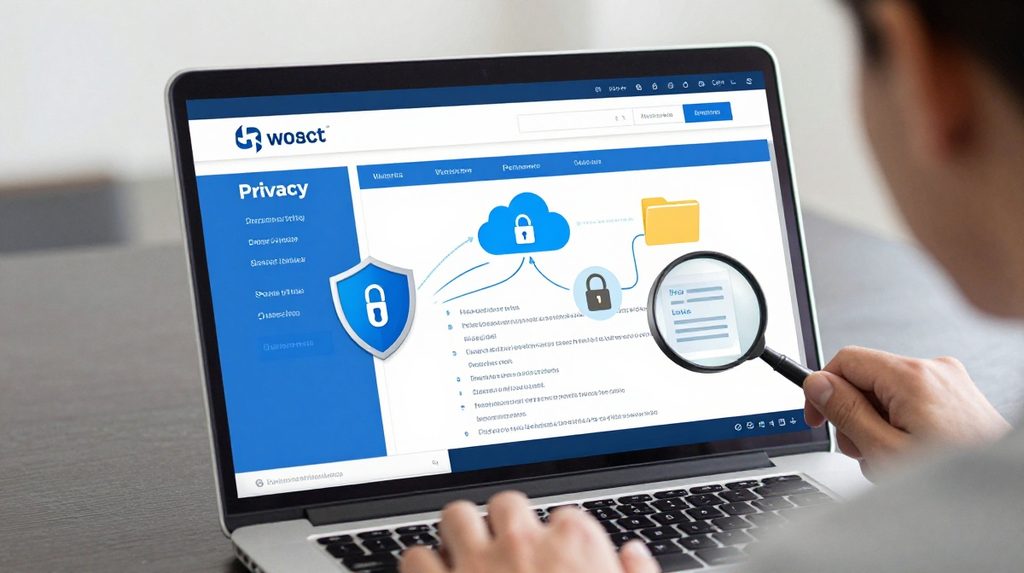
There will usually be a separate Privacy Policy linked within or near the terms. This section tells you what personal information the site collects, why they want it, and who they share it with.
Watch for these phrases in particular: we may share your data with third-party partners without naming those partners, we may use your data for marketing purposes which usually means promotional calls and spam, and by using this site you accept cookies and tracking without giving you a way to opt out. These are not always deal-breakers, but you should know they are there.
Under India’s Digital Personal Data Protection Act, 2023, companies are required to get your active, informed consent before collecting your data. A pre-ticked checkbox is not valid consent under this law. You also have the right to ask any company to correct or delete your personal data at any time.
Step 4: Read the Payment, Refund, and Account Closure Rules
This is the section most people wish they had read before depositing anything. Look for answers to these questions in the terms: How long does a withdrawal take? Is there a minimum withdrawal amount? What happens to the balance if you close your account? Can the platform freeze or close your account at its own discretion?
Some sites say deposits are non-refundable once used for activity. Others say they can close your account and withhold funds where we reasonably believe there has been a breach. These clauses are common, but knowing they exist before you add money is very different from finding out after.
Once you have your account set up and you go to lotus365 login to access the platform, every transaction you make is governed by the terms you agreed to at sign-up. There is no going back on those terms later unless the company updates them.
Step 5: Find the Dispute Resolution Section
This section tells you what happens if something goes wrong. A trustworthy site will have a step-by-step process: contact customer support first, then escalate to a manager, and if still unresolved, take the matter to arbitration or a consumer forum.
Be cautious if the terms say the company’s decision is final and binding with no mention of any appeal or external process. That kind of clause quietly removes your ability to challenge a bad decision.
Step 6: Check the Age Limit and State-Level Legal Clause
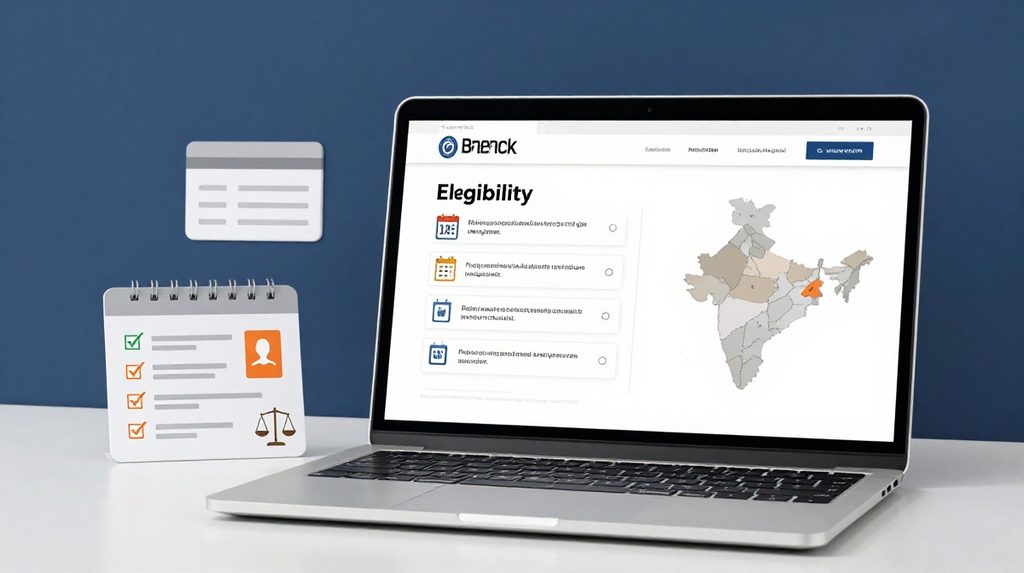
Almost every platform will include a clause that says users must be at least 18 years old. You confirm this by creating an account. On many platforms, if it is later found that you are below this age, your account can be permanently closed and any balance may be forfeited.
For online gaming and betting platforms specifically, India’s laws are not the same across all states. Some states allow certain forms of online gaming and sports prediction; others restrict or ban it outright. Most international platforms make it your responsibility to check whether using the service is legal in your state before you register. They will not refund you because of your state’s laws.
A note on online betting: Using any betting or real-money gaming platform carries real financial risk. The law on online gaming in India varies by state and is still evolving. Always check the rules in your state before signing up. Never deposit money you cannot afford to lose. If you are unsure about the legal position in your state, speak to a legal adviser.
Red Flags at a Glance
| What You See in the Terms | What It Might Mean |
|---|---|
| No company name or address | You have nobody to contact if things go wrong |
| We can change these terms at any time without notice | Your rights can shift without warning |
| Our decision is final with no appeal process | No recourse if you are treated unfairly |
| Privacy policy hidden or hard to find | They may not want you reading it |
| No mention of withdrawal timelines | You may face delays when you try to take money out |
| Terms last updated three or more years ago | The site may not comply with India’s current data laws |
What India’s DPDP Act Means for You as a User
Since India’s DPDP Rules came into force in November 2025, you have specific rights under law. You can ask any company to confirm what personal data it holds on you. You can ask for corrections or deletion of that data. If a company suffers a data breach involving your information, it must notify you and the Data Protection Board of India within 72 hours. Companies that fail to comply face penalties that can go up to ₹250 crore.
Knowing these rights means you can push back if a site refuses to delete your account, keeps sending you messages after you asked them to stop, or will not tell you what data they hold.
The best approach is simple. Before you sign up anywhere that involves your money, your phone number, or your Aadhaar-linked details, spend five minutes with the terms page. Focus on the data section, the payment and refund rules, and the dispute resolution clause. These three sections will tell you most of what you need to know.