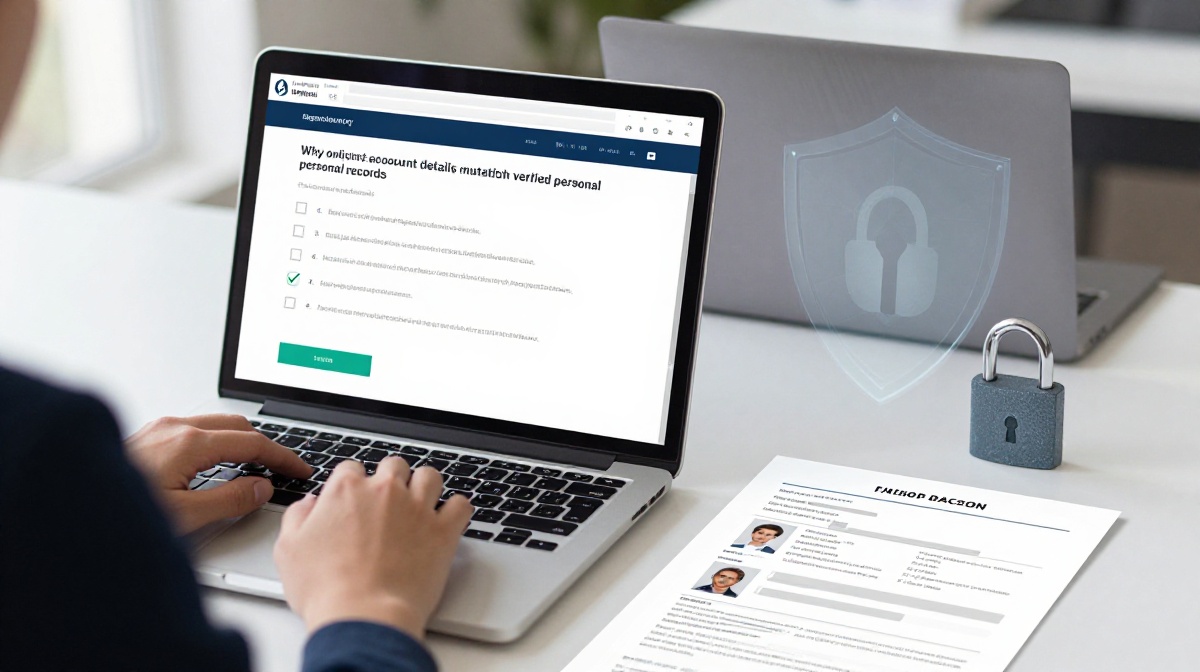
Why Account Details Should Match Verified Record

When you sign up on a platform and later try to withdraw money or access a feature, you may suddenly be asked to verify your identity. Your name, date of birth, phone number, and other details must match your official government ID exactly. Many users find this frustrating, especially when a small spelling difference or an old phone number causes a delay. But this requirement exists for serious reasons, and understanding them will save you time and confusion.
What Does Verified Personal Records Actually Mean?
Verified personal records simply means the identity details stored in government-issued documents such as Aadhaar, PAN card, passport, or voter ID. When a platform asks your details to match these records, it means the name you enter in the registration form must be exactly as it appears on your Aadhaar or PAN. This includes spelling, middle names, and sometimes even the order of your name.
Platforms cross-check what you enter against these documents, either through document upload or through Aadhaar-based e-KYC electronic Know Your Customer. Any mismatch, even one character difference, can flag your account for review.
The Legal Reason Behind This Requirement
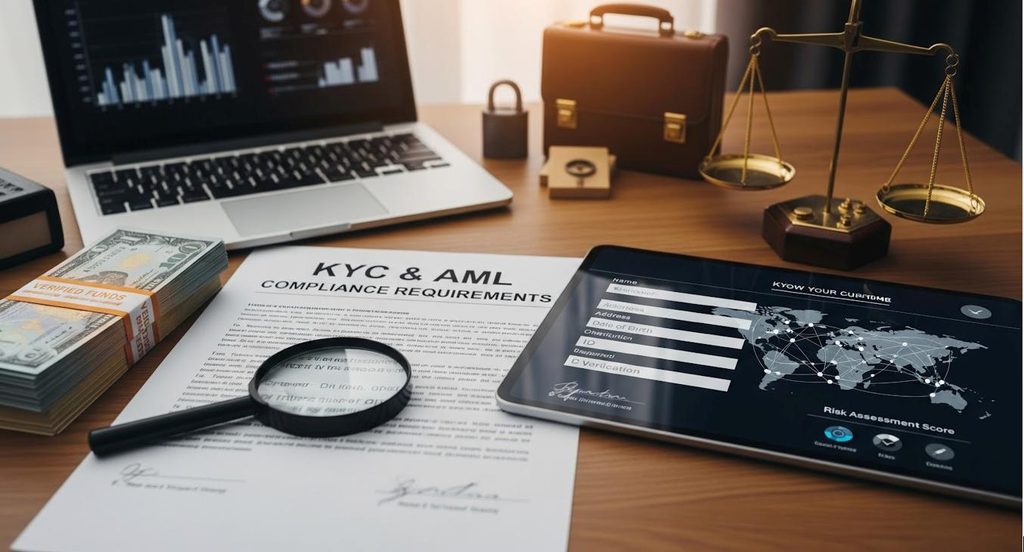
India has strict rules around identity verification for financial platforms, online services, and gaming apps. The Prevention of Money Laundering Act PMLA requires businesses to verify who their users are before allowing financial transactions. The Reserve Bank of India’s Master Direction on KYC updated in 2023 applies to payment wallets, banks, and similar services. MeitY’s online gaming regulations, notified in April 2023, also make identity verification mandatory for registered online gaming intermediaries.
These are not optional steps that platforms choose to add. They are legal obligations. If a platform does not verify users properly, it can face heavy penalties or lose its operating licence.
Why Mismatched Details Create Problems
A mismatch between your account name and your ID document is not just a clerical issue. From the platform’s side, it is a potential compliance failure. If the name on file does not match the verified document, the platform cannot confirm you are who you say you are.
This matters most when money is involved. Say you deposited funds and now want to withdraw. If your account shows Rahul Kumar but your PAN reads Rahul Kumar Sharma, the system may hold the payout until the mismatch is resolved. Some platforms have a zero-tolerance policy and will not process any withdrawal until full KYC is complete with matching documents.
Common Reasons for a Mismatch and How to Fix Them
Many Indian users run into this problem for entirely innocent reasons.
Name spelling differences: Transliteration from regional scripts to English is not standardised. Your name might be Suresh on Aadhaar but Suressh on an old form you filled years ago.
Middle name missing or added: Some IDs include a father’s name or middle name, while others do not. Always check which format your primary ID uses.
Old phone number linked: If your registered number is no longer in your possession and your Aadhaar OTP goes to that number, verification will fail. Update your Aadhaar-linked mobile number at the nearest Aadhaar Seva Kendra before attempting re-verification.
Date of birth format errors: A simple day/month/year versus month/day/year confusion can cause a mismatch. Always enter your date of birth exactly as it appears on your Aadhaar or PAN.
The fix is usually straightforward. Correct the detail on your account settings page, or contact the platform’s support team with a copy of your official document.
Protecting Your Own Money and Account

There is also a strong reason from your side to ensure your details are accurate. When platforms enforce identity matching, they are also protecting you. If someone else tries to register using your phone number or email but with different personal details, the KYC check will block them. It prevents fraudulent accounts from being created in your name.
For platforms that allow deposits and withdrawals, such as fantasy sports apps or online gaming platforms, verified accounts also protect your earnings. Some platforms, including those offering a dedicated experience like lotus365 blue, require full KYC before processing any withdrawals. This is so the funds go to the verified account holder only, not to someone who may have gained unauthorised access.
Similarly, if you are downloading a platform through an official lotus365 apk or any third-party app file, make sure the app is legitimate before entering your personal and financial information.
Caution: Online gaming and fantasy sports involve real money and carry financial risk. Participation is subject to state laws in India. Some states prohibit real-money online gaming entirely. Always check the legal status in your state before registering or depositing money on any platform. You must be 18 years or older to participate.