Evaluate a Lotus Betting Website Domain & Security
You open a link a friend shared on WhatsApp. It looks like Lotus365, same orange-and-white colours, same logo. You’re about to type your phone number when something feels slightly off about the URL. That moment of hesitation could save your money and your personal data.
With dozens of Lotus betting website clones floating around India right now, knowing how to check one before you sign up is genuinely useful. This guide walks you through three checks the domain, the privacy policy, and the security setup. You don’t need to be a tech person to do any of this.
Why Clone Sites Are a Real Problem for Lotus Users
Security review platforms flagged several Lotus365 lookalike sites in 2025 and 2026. Sites like lotus365s.pro and lotus365.trading received trust scores as low as 23 to 45 out of 100, with warnings about very recent domain registrations and suspicious content markers. In one case reviewed by security researchers, a site was only 31 days old, which matches the pattern of fake betting networks that rotate their domains quickly to stay ahead of blocklists.
India makes this worse because there is no central online betting regulator. Without an official body to blacklist fake sites or warn users, the check falls on you.
Check 1: The Domain
Read the URL letter by letter
Before anything else, look at the full web address in your browser bar. Clone sites change one or two characters, add a word, or use a different extension. The real domain might be .com while a fake uses .pro, .trading, .live, or .in. Some fakes insert words like official, plus, or blue into the domain to look legitimate.
Check when the domain was registered
A domain that is less than 90 days old is a warning sign. You can check this for free using a WHOIS lookup tool. Open Google, search whois lookup free, and use one of the tools that appear. Type the website address into the tool and look for the Created or Registered on date. Established platforms have domains that are at least one to two years old.
Look at the registrar and registrant details
The registrar is the company that registered the domain. Well-known registrars are fine. What matters more is whether the registrant the owner’s details are hidden behind a generic privacy service. A very new domain with hidden ownership and an unusual extension .live, .trading, .pro adds up to a concerning picture.
To see what a verified official link looks like and compare it with something suspicious, you can check the lotus365 apk download page as a reference point.
Check 2: The Privacy Policy

Most people skip the privacy policy entirely. On a betting site that holds your phone number, bank details, and sometimes your PAN or Aadhaar, that is a costly habit.
What a genuine privacy policy should say
A real policy will name the company running the site and where it is based. It will list exactly what personal data it collects, explain how that data is stored and for how long, and state whether it shares data with third parties. There should also be a contact email for privacy questions. If any of these are absent, the site is either careless or hiding something.
Red flags to spot immediately
Watch for policies that use vague language we may share your data with our partners, contain no company name or registered address, or appear to be copy-pasted from a different platform entirely. If the privacy page is blank, missing, or shows a 404 error, close the site.
Legal references are a useful signal
Some platforms mention GDPR compliance because they hold European licences. Others refer to India’s Digital Personal Data Protection Act, which was passed in August 2023. A platform that acknowledges data protection law is at least aware it has obligations to users. One that makes no mention of any data protection framework at all is worth treating with caution.
Check 3: Security Features

HTTPS and the SSL certificate
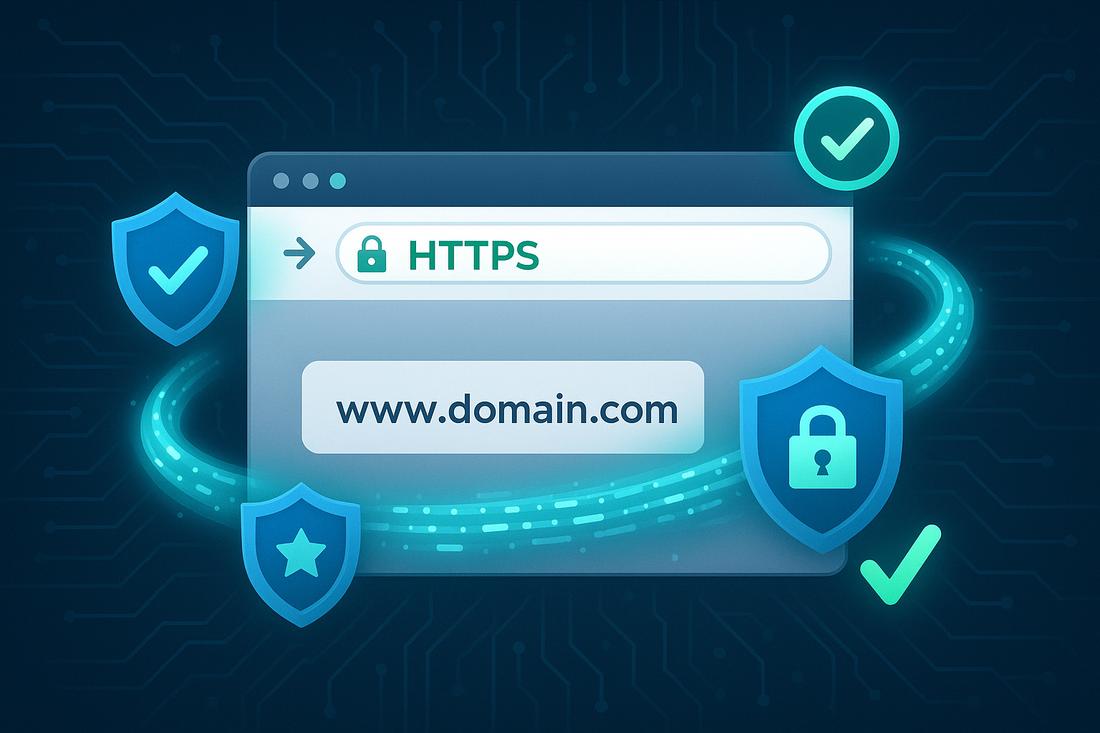
Your browser should show a padlock and the URL should begin with https. But go one step further: click on the padlock and read the certificate details. Check that the certificate is issued to the correct domain name not a different one, and that it has not expired. An expired certificate, or one issued to a different site, means your data is not being protected the way it should be.
TLS version matters
A site using TLS 1.2 or TLS 1.3 is using current encryption standards. Older versions, like TLS 1.0, have known security weaknesses. Most modern browsers will show a warning if a site uses outdated encryption. Do not click through those warnings.
Two-factor authentication (2FA)
Any betting platform worth using will offer 2FA on login. This sends a one-time password OTP to your phone when you sign in, so even if someone else gets your password, they cannot open your account without physical access to your phone. If a site does not offer 2FA at all, your account security depends on one password alone.
Payment safety
Use UPI when depositing. UPI requires your UPI PIN for every transaction and does not expose your full bank account details to the site. Avoid platforms that only accept informal transfers, ask for your full net banking login, or offer no payment receipt of any kind. You can also check the lotus365 blue page to compare how a verified version handles its payment and deposit interface before using an unfamiliar link.
For broader cybersecurity guidance from an official Indian source, the CERT-In advisory portal, run by the Ministry of Electronics and Information Technology, publishes alerts about phishing sites and unsafe domains, including in the online betting category.
A Word on the Legal Side
Online betting in India sits in a grey zone. No central law permits or bans it outright, and rules differ by state. Platforms operating under the Lotus365 name use offshore licences, which means no Indian authority regulates them directly. This does not make every such platform unsafe, but it does mean that if something goes wrong, your legal options within India are limited.
Caution: Online betting is restricted or prohibited in several Indian states. Gambling can lead to significant financial loss. Never share your Aadhaar or PAN details unless you are certain the KYC process is required by a genuinely licensed, verifiable operator. If you feel you are spending more than you intended, please reach out to iCall a free mental health helpline at 9152987821.
Only bet amounts you can afford to lose outright.