
How Randomness Works in Online Games Myths Cleared

You’ve been playing an online rummy session for 30 minutes. You lose five hands in a row, and a thought appears: This app knows I’m losing money, so it’s giving me worse cards on purpose. Or perhaps a friend told you, Never play after 10 PM, that’s when they mess with the RNG. These ideas feel logical. They are not. Understanding how randomness actually works in online games can change what you expect from every session you play.
What Randomness in Online Games Actually Means
The outcomes in online games are produced by software called a Random Number Generator, or RNG. Think of it as a digital dice machine running millions of calculations every second, with each result completely unconnected to the last. When you press deal in rummy, spin in a slot game, or roll in a ludo app, the game picks the number it was producing at that exact millisecond. That number decides your result.
There are two types of RNGs. True Random Number Generators TRNGs use physical events like electrical noise inside a microchip to produce genuinely unpredictable results. Most online games use Pseudo-Random Number Generators PRNGs, which run a mathematical formula starting from a seed value. PRNGs are not random in a physics sense, but their output is statistically impossible to predict in any practical situation.
For a regular player, that difference does not matter. What matters is that both types are designed so nobody, including the platform’s own technical team, can predict or influence the next outcome.
Five Myths About Randomness That Spread Quickly in India
Myth 1: The app remembers your losses and gives you a win to keep you playing.
A certified RNG has no memory. Each round’s outcome is independent of every round before it. Testing labs specifically check for this statistical independence before certifying a platform. If any relationship between consecutive results is found, the platform fails the audit.
Myth 2: There’s a lucky hour to play, morning beats night.
The RNG runs continuously, all day and night. The number it produces at 8 AM has the same statistical distribution as the one at 11 PM. Time of day, total players online, your account balance — none of these inputs reach the RNG algorithm.
Myth 3: If I’ve been losing for a while, a big win must be coming soon.
This is the Gambler’s Fallacy, a cognitive bias found in players everywhere. Past results have zero influence on future ones in an RNG-based game. An online rummy deck is shuffled fresh each round. A slot game does not remember that you haven’t seen a bonus in 60 spins.
Myth 4: Platforms quietly lower your chances after you deposit a large amount.
Certified platforms cannot legally do this. Their RNG software is independently tested and locked. Tampering after certification voids their accreditation. Since May 2026, platforms registered under India’s Online Gaming Authority of India face regulatory penalties for any such manipulation.
Myth 5: Free-play mode gives you better cards than real-play mode.
A properly built game runs the same certified RNG for both modes. Operating separate RNGs for different modes is itself a form of manipulation that auditors specifically test for.
How Platforms Are Actually Tested for Fairness
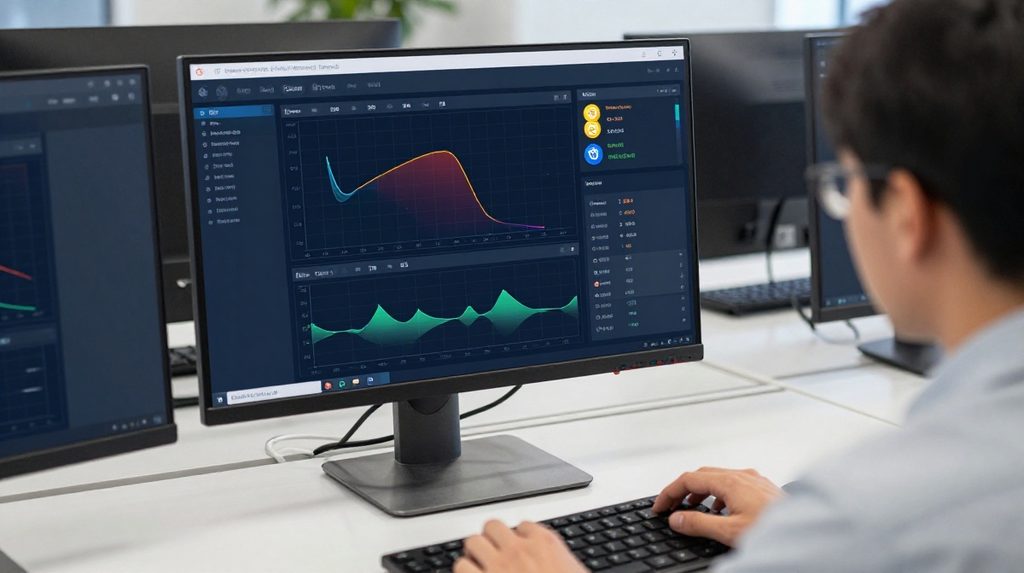
Independent testing is the main protection for players. Organizations such as eCOGRA, iTech Labs, and GLI run hundreds of thousands of simulated game outcomes and compare the distribution against what pure probability predicts. Any deviation flags a problem.
An IIT-BHU study published in August 2025 examined the RNGs used by Indian online card game platforms including Rummyculture. Using a rigorous test battery called Dieharder, researchers confirmed high statistical fairness in the number sequences these platforms generated. This was one of the first Indian academic verifications of its kind.
India’s regulatory framework also tightened significantly. MeitY notified the Promotion and Regulation of Online Gaming Rules, 2026, which came into force on May 1, 2026. These rules established the Online Gaming Authority of India OGAI to oversee registered platforms, set user protection standards, and handle grievances.
What RTP Means in Plain Terms
Most online games display an RTP percentage, which stands for Return to Player. An RTP of 95% means the game pays back 95 paise for every rupee wagered, calculated across millions of rounds. The remaining 5 paise is the platform’s margin.
The catch is in the phrase across millions of rounds. In any short session, your actual result can land far above or below that figure. This natural swinging is called variance. A high-variance game can pay nothing for 40 rounds and then produce a large payout. A low-variance game pays smaller amounts more regularly. The RNG is what creates these patterns.
A high RTP does not guarantee you win in a session. It describes the long-run math, not your next 20 minutes.
A Quick Comparison: Certified vs Uncertified Platforms
| Feature | Certified Platform | Uncertified Platform |
|---|---|---|
| RNG testing | Verified by eCOGRA / GLI / iTech Labs | Unknown or absent |
| Outcome independence | Confirmed by audit | Cannot be confirmed |
| India regulatory status | Registered with OGAI (from May 2026) | Outside the legal framework |
| Audit certificate on website | Yes, usually with expiry date | Often missing |
What to Check Before You Download or Start Playing
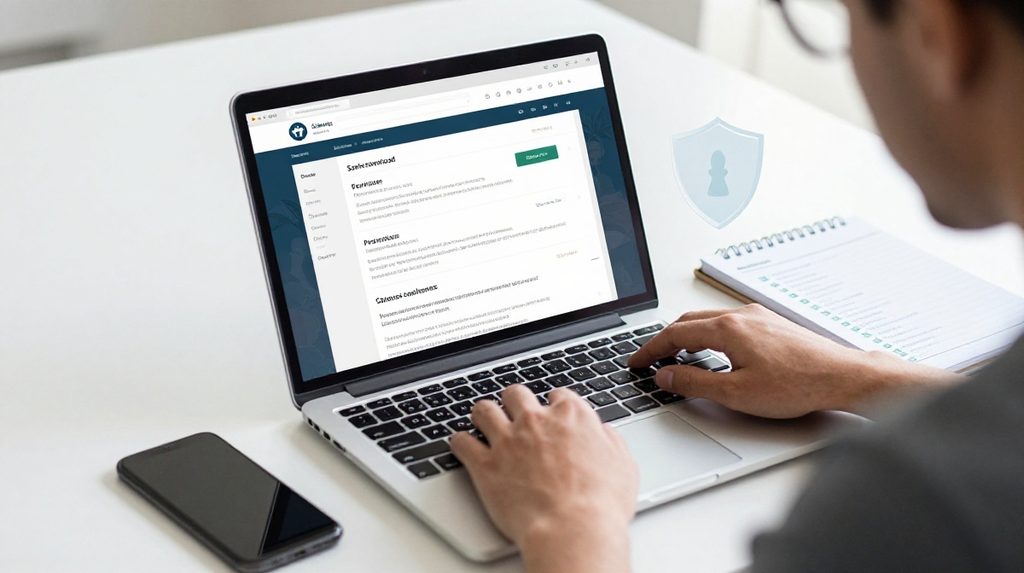
Checking a platform’s fairness takes about two minutes. First, look for an RNG certification badge on the platform’s help or about page. If the certificate is from eCOGRA, iTech Labs, or GLI and is dated within the last two years, that’s a reasonable starting point.
Second, confirm whether the platform is registered under India’s current gaming rules. Since May 2026, platforms must register with the OGAI and comply with MeitY’s standards.
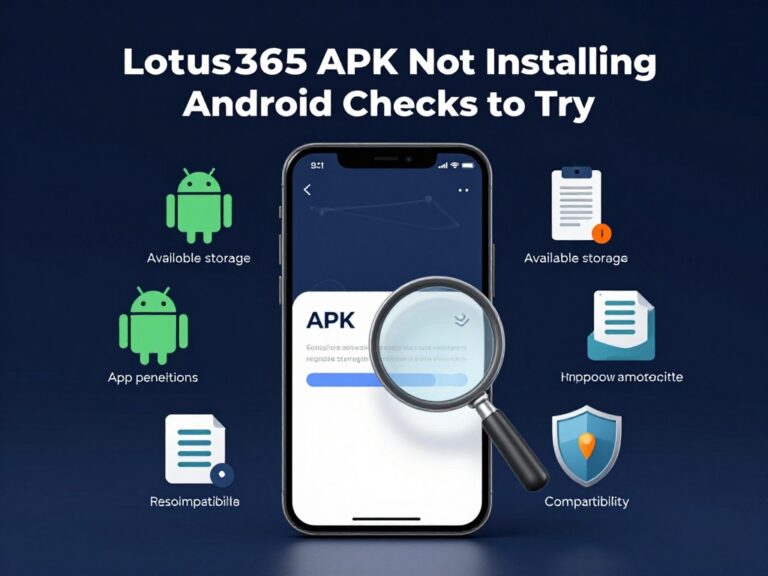
Third, only download apps from the platform’s official website or a verified app store. A lotus365 apk file from an unofficial third-party site could be a modified version that bypasses the certified RNG entirely, making it impossible for you to verify fairness.
Finally, before playing any new format, spend time with the platform’s information pages. Versions like the interface offered at lotus365 blue are designed for simpler navigation, which makes it easier to find certification and licensing details before you decide to play.
Legal caution: Under the Promotion and Regulation of Online Gaming Rules, 2026, online money gaming is prohibited in India. Before depositing money on any platform, verify that it is registered with the OGAI and permitted to operate. If you are uncertain about a platform’s legal status, consult a lawyer.
Note on responsible gaming: Randomness is what makes games feel exciting, and that same unpredictability can make them hard to stop. If gaming is affecting your daily life or budget, you can contact iCall run by TISS, Mumbai at 9152987821 for free support.