Cricket Betting Sites in India Legal and Privacy Guide
You get a notification on your phone. A cricket betting platform is offering a bonus for new sign-ups, and a big IPL match is a few days away. The app looks clean, registration seems simple, and the form is already asking for your phone number and Aadhaar details. Before you fill in anything, there are three things worth understanding: where Indian law stands right now on cricket betting websites, what the verification process actually involves, and what those platforms do with your documents once you submit them.
Is Cricket Betting Legal in India in 2026?
The short answer is no. And unlike a few years ago, this is no longer a grey area.
For a long time, the main gambling law in India was the Public Gambling Act of 1867. That law was written for physical gambling houses and said nothing about the internet. States filled the gap with their own rules. Goa and Sikkim allowed licensed casinos. States like Telangana and Andhra Pradesh banned online betting entirely. Most other states were simply unclear, which is what created the so-called grey zone that many offshore platforms used to argue their services were permissible.
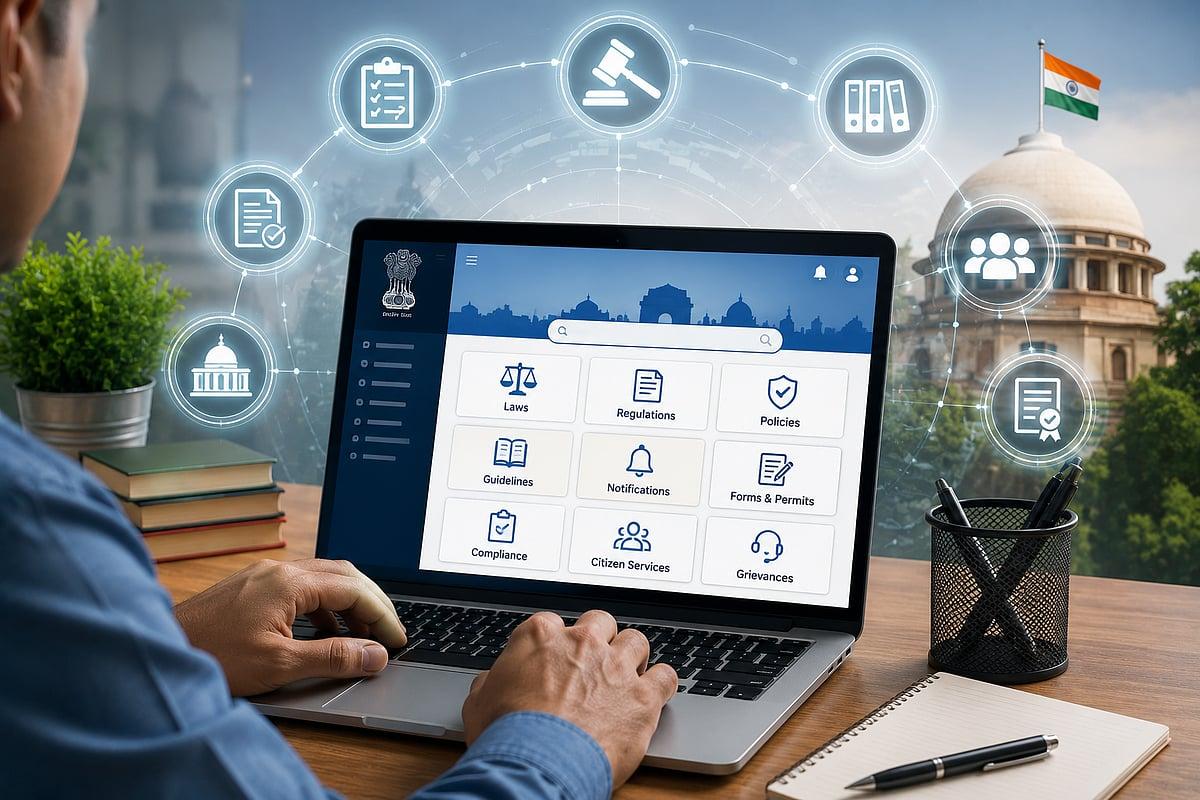
That changed in 2025. Parliament passed the Promotion and Regulation of Online Gaming Act, 2025 referred to as the PROG Act, which received Presidential assent on 22 August 2025. MeitY, the Ministry of Electronics and Information Technology, notified its enforcement from 1 May 2026. The Promotion and Regulation of Online Gaming Rules, 2026 Press Information Bureau introduced the full regulatory framework. Under this law, all online money games including real-money cricket betting are banned at the national level.
This covers offshore platforms too. A site licensed in Curacao or Malta that accepts Indian users and takes real money is now in violation of Indian law. In May 2026, the Supreme Court also upheld state-level bans on online gaming in Karnataka and Tamil Nadu, confirming that states can add further restrictions on top of the central ban. The Online Gaming Authority of India OGAI was set up under the PROG Act to handle enforcement.
The All India Gaming Federation has estimated that India loses nearly 2 lakh crore rupees every year to illegal cricket betting. The PROG Act is partly a response to that scale of the problem.
A direct caution: If you are an Indian resident placing real-money bets on cricket through any online platform, you are taking a legal risk under the current law. For advice specific to your situation, consult a qualified lawyer with experience in IT and gaming law in India.
How Does KYC Verification Work on These Sites?
KYC stands for Know Your Customer. It is the identity verification process that financial platforms and betting sites use before they allow you to deposit or withdraw money. The stated purpose is to prevent fraud and money laundering.
On most cricket betting websites, KYC is not required when you first create an account. You can usually register with just a phone number and email. The platform will only trigger the full verification check when you try to withdraw your winnings, or sometimes when you try to deposit above a certain limit.
What Documents Are Usually Required

The exact list varies by platform, but the most common requirements are:
- Photo ID: Aadhaar card, PAN card, or passport
- Address proof: Aadhaar card, a utility bill, or a recent bank statement
- A selfie or short video: to confirm your face matches the ID photo
Some platforms, including apps where you download the lotus365 apk directly onto an Android phone, handle the entire document submission inside the app through a built-in upload flow. Others send you to a web form. Either way, your documents leave your device and go to the platform’s servers, which in most cases are outside India.
Document review usually takes a few hours on weekdays. A common reason for delays is a name mismatch between your bank account and the name on the ID you submitted. If the names differ even slightly, some platforms will reject the KYC and ask you to resubmit.
What Happens to Your Documents After You Submit Them
This is where most Indian users do not ask enough questions, and it matters more than the sign-up bonus.
When you upload your Aadhaar card, PAN number, and selfie to an offshore betting platform, that data travels to servers outside India. You have limited visibility into where it is stored, for how long, and who has access to it. Some platforms state in their privacy policies that they share user data with third-party advertising partners and analytics companies. That means your government-issued identity documents may end up in more places than you expect.
India’s data protection law now directly applies to this situation. The Digital Personal Data Protection Rules, 2025, were officially notified on 14 November 2025, fully operationalizing the DPDP Act 2023. Importantly, the DPDP Act applies to any entity, Indian or foreign, that processes personal data of people in India. This puts offshore cricket betting platforms within scope, at least on paper.
Under the DPDP Act, platforms must get your specific, clear consent before collecting your data. The consent cannot be buried in a terms-and-conditions page that nobody reads. Gaming and betting platforms that rely on click-wrap agreements or bundle data consent with unrelated terms may not meet this standard. The Data Protection Board of India can impose penalties of up to 250 crore rupees per violation.
One detail worth noting: different versions of the same platform can have different privacy terms. The lotus365 blue version, for instance, is a specific interface with its own set of applicable policies. Always read the privacy notice for the exact version of the site or app you are using, not just a generic policy linked on the homepage.
The DPDP Act also classifies anyone below 18 as a child. Platforms cannot legally process a minor’s data without verified parental consent. If a platform is not age-verifying properly, that is both a legal problem for the platform and a real risk for the user.
What to Check Before Sharing Your ID Online
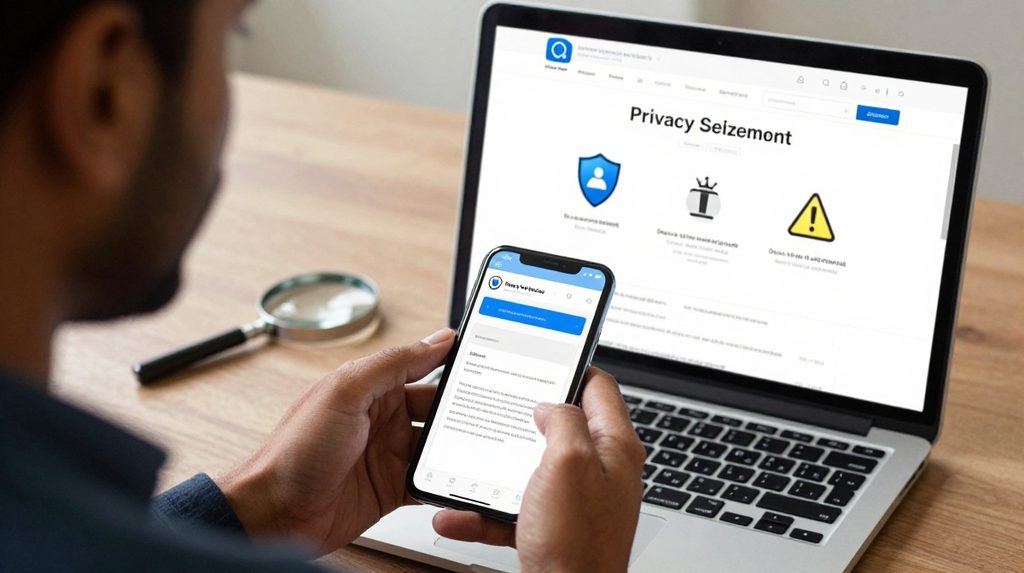
Not every cricket betting site handles data with the same level of care. A few checks can tell you a lot before you submit anything.
| What to look for | Why it matters |
|---|---|
| HTTPS and a padlock in the browser bar | Without encryption, data can be intercepted in transit |
| A clear, readable privacy policy | Shows the platform knows what it collects and why |
| Option to use masked Aadhaar | UIDAI recommends not sharing full Aadhaar with non-government entities |
| A data deletion process listed in the privacy policy | Required under DPDP Act; its absence is a warning sign |
| A verifiable licence number | An unverifiable licence is often a sign of a fraudulent operation |
If a platform asks you to complete full KYC at registration, before you have deposited or placed a single bet, that is not standard practice. Normal platforms trigger verification only when money moves. A site that collects your government ID upfront and then turns out to be unreliable leaves your documents in the wrong hands.