Cricket Betting Apps India Features and Safety Checks

You’ve seen the link shared on WhatsApp. Someone says you can bet on the next IPL match from your phone, no laptop needed. You tap it, download a file, and then the app starts asking for your camera, contacts, and location. Should you tap Allow?
That situation plays out daily across India. Cricket betting apps have spread quickly on Android phones, but most users don’t know what these apps actually do, which permissions are reasonable, or how to check if an app is genuine before sending money into it. This guide walks through all three, along with the legal picture under India’s 2025 gaming law.
A legal caution before you read on: Under the Promotion and Regulation of Online Gaming Act, 2025, operative from May 1, 2026, real money betting platforms are prohibited under central Indian law. States including Telangana, Andhra Pradesh, Tamil Nadu, and Karnataka have their own bans too. Using these apps in India carries legal and financial risk. If you still want to understand this space, read carefully.
What Features Do Cricket Betting Apps in India Usually Offer?
Most platforms are built around live cricket. The features across apps tend to look similar, but quality varies a lot.
Live betting with changing odds. You place bets while a match is running. Odds shift ball by ball, which is what attracts most users to these platforms over older methods.
UPI and wallet support. Indian users generally look for apps that accept deposits through UPI, Paytm, or PhonePe. Platforms that only accept cryptocurrency or international cards are harder to use and often harder to hold accountable if something goes wrong.
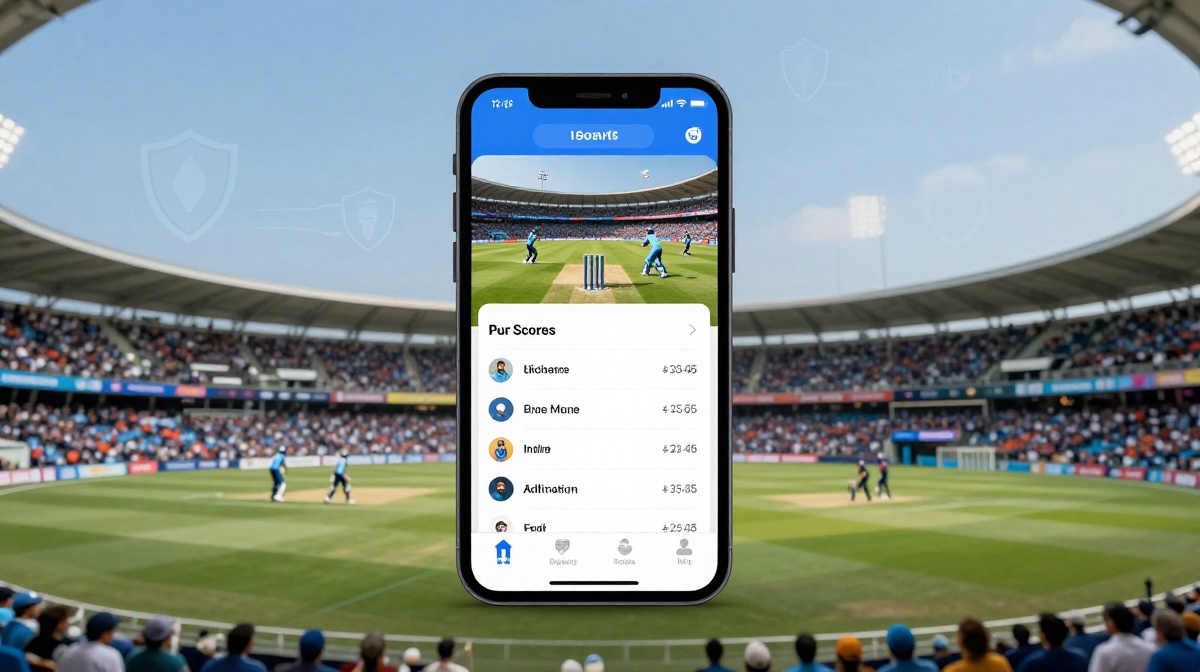
In-app scores and stats. Stronger apps include live scores, pitch reports, head-to-head records, and recent form inside the app itself. You shouldn’t need to switch between five tabs just to follow a match.
Multiple leagues. IPL, T20 World Cup, Ranji Trophy, Duleep Trophy, international bilateral series. A well-built app covers most of these. If a platform only offers one obscure league, that is worth questioning.
Bonuses and deposit offers. Almost every app advertises a welcome bonus or first-deposit cashback. These are marketing tools, not guarantees. Read the withdrawal conditions before treating any bonus as real money.
If you’re looking at a platform that offers a lotus365 apk download, check whether the leagues you follow are covered and confirm UPI deposits are working before creating an account.
App Permissions Which Are Normal and Which Are Red Flags
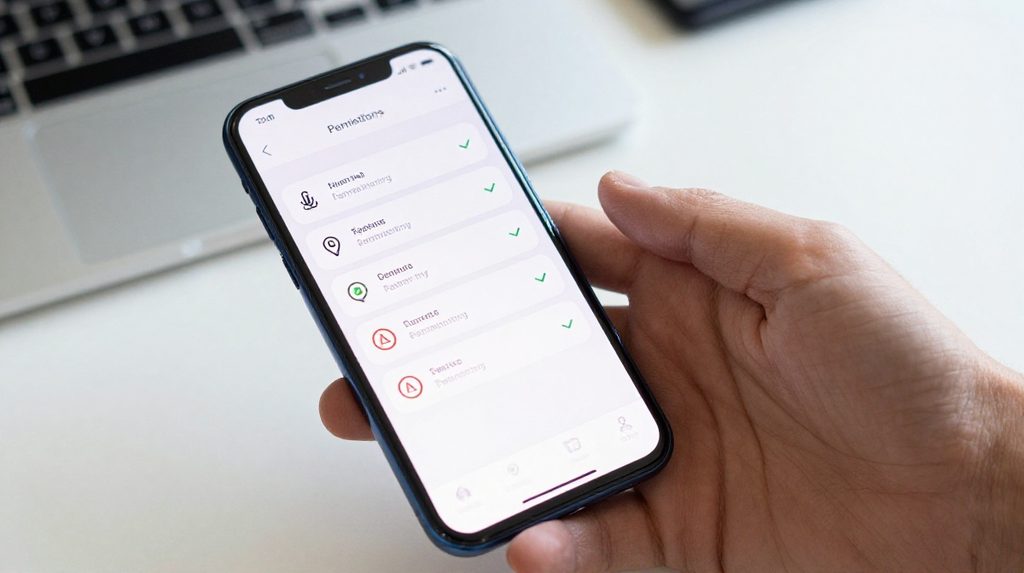
This section matters most for anyone installing a betting APK outside the Google Play Store.
When you install an app, it asks for access to parts of your phone. Not every permission is justified. Here is a plain breakdown.
Normal permissions for a betting app:
- Internet access to load live odds and scores
- Notifications for match alerts and deposit updates
- Storage or media access to save screenshots or downloaded documents
Permissions that need a clear reason:
- Camera: Only makes sense if the platform requires a video KYC for identity verification. If you haven’t been asked for KYC, deny this.
- Microphone: No cricket betting function requires your microphone. Deny it.
- Contacts: A betting app has no need for your contact list. Deny this every time.
- SMS access: Often asked to auto-read OTPs. If you grant it, the app can read all your messages, not just the one-time password.
- Location: Only needed if the app restricts access based on your state.
The rule to follow: if a permission has no connection to placing a bet or confirming your identity, deny it. You can update permissions later in your phone’s settings by going to Settings, then Apps, then the app’s name, then Permissions.
Safety Checks Before You Install a Cricket Betting App
Go through this list before installing anything and before putting any money in.
Check where the download link came from. APK links shared via WhatsApp or Telegram have had no independent review. Fake apps that copy the look of real ones are common in India. Some versions of popular apps, including the lotus365 blue variant, have had unofficial copies circulating that steal login credentials. Always download from the platform’s official website, and check that the URL matches exactly.
Look for a visible license number. Offshore platforms licensed in Curaçao or by the Malta Gaming Authority are common among apps targeting Indian users. A license number should appear in the app’s footer or in the About section. No mention of any license at all is a warning sign.
Check how payments actually work. Any transfer to a personal UPI ID or an unnamed account is a scam red flag. Deposits and withdrawals should go through named, known systems with transaction IDs you can verify.
Test customer support before depositing. A real platform has a working email address or live chat. Send a test message before you put money in. If support does not reply within a day, you have no recourse if a withdrawal is refused later.
Understand the tax position. Winnings from betting in India are taxed at 30 percent under Section 115BB of the Income Tax Act. Platforms operating lawfully deduct TDS Tax Deducted at Source at 30 percent on net winnings above ₹10,000. If an app claims all winnings are tax-free, it is either misleading you or operating outside Indian law entirely.
What the 2025 Law Actually Changed
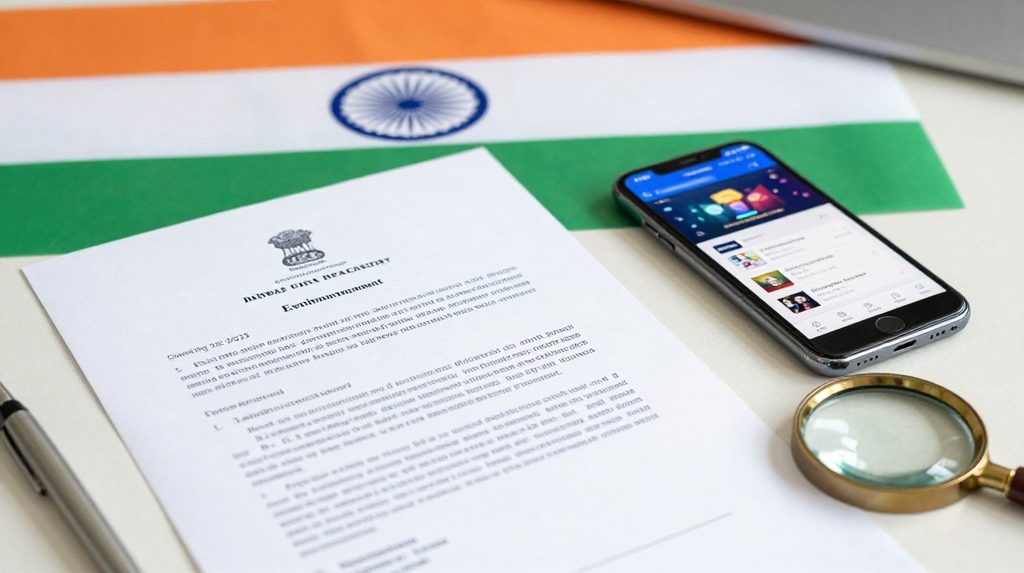
The Promotion and Regulation of Online Gaming Rules, 2026 notified by MeitY brought the PROG Act 2025 into full operation from May 1, 2026. The Online Gaming Authority of India, now established in Delhi NCR, can block platforms, cancel registrations, and impose penalties.
Between 2022 and 2025, over 1,500 betting and gambling sites and apps were blocked in India. More are being blocked under the new rules. The Act categorises e-sports and online social games as permitted; real money betting is not.
Offshore platforms still reach Indian users through VPN access and foreign licensing, but that creates a real problem if the platform freezes your account or refuses a withdrawal, you have almost no legal protection in India. The platform is outside Indian courts.
If you are unsure about the law in your state, speak to a lawyer rather than relying on what an app’s own website says about its legal status.