
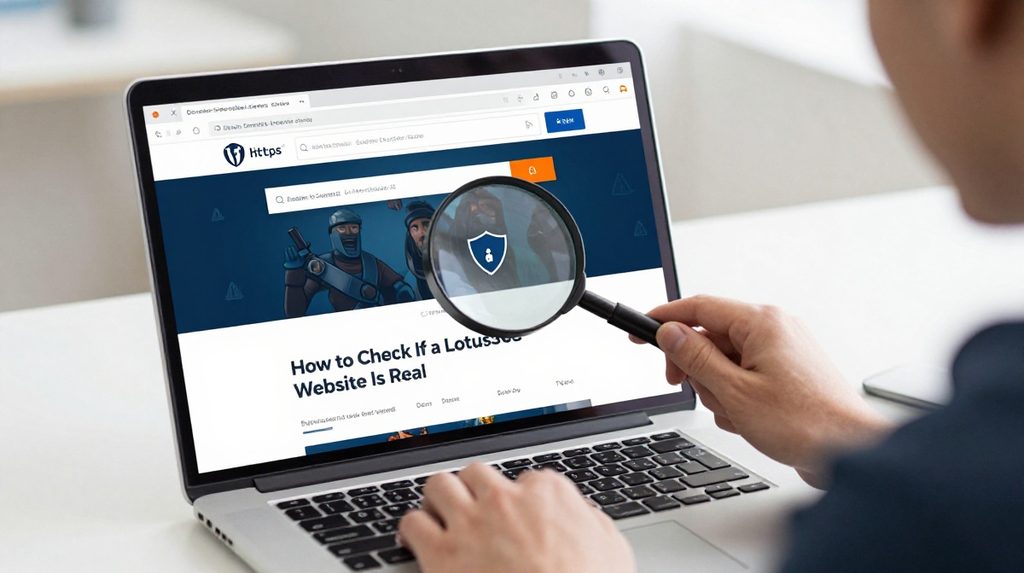
How to Check If a Lotus365 Website Is Real
You receive a link on WhatsApp saying a new Lotus365 site is live. The page opens, the logo looks familiar, and there’s even a customer care number at the bottom. But the URL is slightly different from the one you used before. You’re not sure if this is the real thing or a copy made to steal your money.
This is not a rare situation. Evaluating the authenticity of a Lotus365 website before you take any action is something thousands of Indians need to do carefully, and this guide explains exactly how.
Important legal note: Lotus365 was officially banned in India by the Ministry of Electronics and Information Technology MeitY in February 2023, under Section 69A of the IT Act. The platform holds a Curacao gaming licence, which the Indian government does not recognise. Using or promoting this platform carries legal risk. This article does not promote the use of Lotus365 or any banned betting platform. Its purpose is consumer protection, so you can identify fraud sites and avoid financial harm.
Why Fake Lotus365 Sites Are a Serious Problem in India
After MeitY banned Lotus365, the platform shifted to surrogate domains to keep operating, since the original domain was blocked. This created an opening for fraudsters. When no single official link is widely trusted, criminals can easily create convincing copies.
In July 2025, Lucknow police busted a pan-India fake betting operation called Lotus Gaming that mimicked popular betting apps. Officers seized ₹1.07 crore in cash, recovered 103 mobile devices, and arrested 16 people who operated the fraud with distinct roles covering app management, recruitment, and money laundering.
Before that, in October 2024, city police in Nagpur identified 1,658 bank accounts being used for online betting fraud linked to the Lotus365 name. Of just 36 of those accounts, total transactions added up to approximately ₹5 crore.
These numbers show the scale of what fake websites can do.
Checking a Lotus365 Website for Authenticity
There is no single test. You need to check several things at once, because scammers have gotten good at faking one or two signals while slipping up on others.
1. Read the URL Very Carefully
The web address in your browser bar is your first checkpoint. Look at every character.
Common tricks include replacing the letter o with the number 0, adding an extra letter lotuus365 or lotus3655, putting numbers before the brand name, or using an unusual domain extension like .xyz, .live, or .bet. A domain like lotus365-new.net or lotus365india.co is a red flag, because it’s not the same as the domain someone verified earlier.
TechCrunch reported in 2024 that scammers had planted online betting ads on Indian government .gov.in websites, with around four dozen state government links redirecting visitors to betting platforms. This means even a trusted-looking source can lead you to a fraudulent page. Always type the URL yourself instead of clicking a link from WhatsApp, Telegram, or Instagram.
2. Check for HTTPS and the Padlock
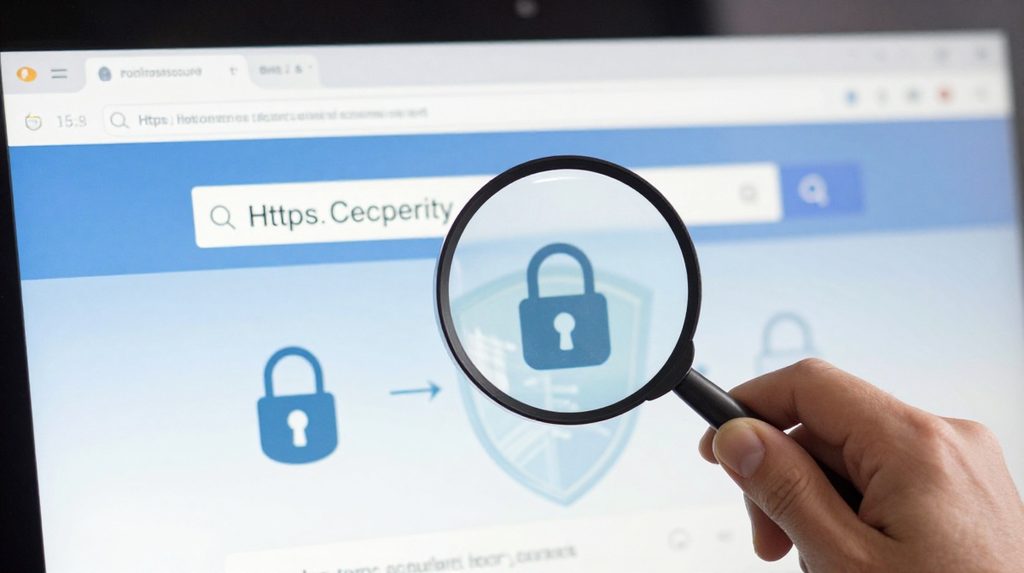
When you land on a page, look at the browser bar. A padlock icon and https:// before the address means your connection to that site is encrypted. Click the padlock to see the security certificate details. If the certificate is expired, or if it was issued to a different domain name than the one you’re on, leave at once.
One thing to understand: HTTPS does not guarantee the site is honest. A fraudulent site can also have a valid certificate. This check rules out the most basic scam sites, but you still need to look further.
3. Be Careful About How You Download the App
Since Lotus365 and similar platforms are not available on the Google Play Store in India, users often download them as APK files. The source of the lotus365 apk you use matters a great deal.
An APK file downloaded from a random link can carry malware that reads your SMS messages, OTPs, and banking notifications in the background. After you install any APK, check what permissions it requests. If it asks for access to your contacts, microphone, or all your files, that is not normal for a betting app. Deny those permissions and reconsider whether to keep the app.
4. Test Customer Support Before You Deposit
A real platform, even one operating outside Indian law, will have some form of working support. Look for a live chat or a support email that actually replies within a reasonable time. Try sending a basic question before you deposit anything.
Fake sites rarely invest in real support teams. If the contact page is blank, the email address bounces, or the only contact is a WhatsApp number with no business profile, those are warning signs. Check also for a privacy policy and terms of service that are actually readable, not a wall of copy-pasted legal text that makes no sense.
5. Know the Variants You May Come Across
You may see links for different colour-coded versions of the platform. For example, lotus365 blue is one such variant that users search for separately. When you encounter a variant name in a URL or in a link someone shares, apply the same checks: verify the spelling, the HTTPS certificate, the domain extension, and whether any support contact exists.
A familiar version name does not make the website automatically safe.
6. Watch How They Ask You to Pay
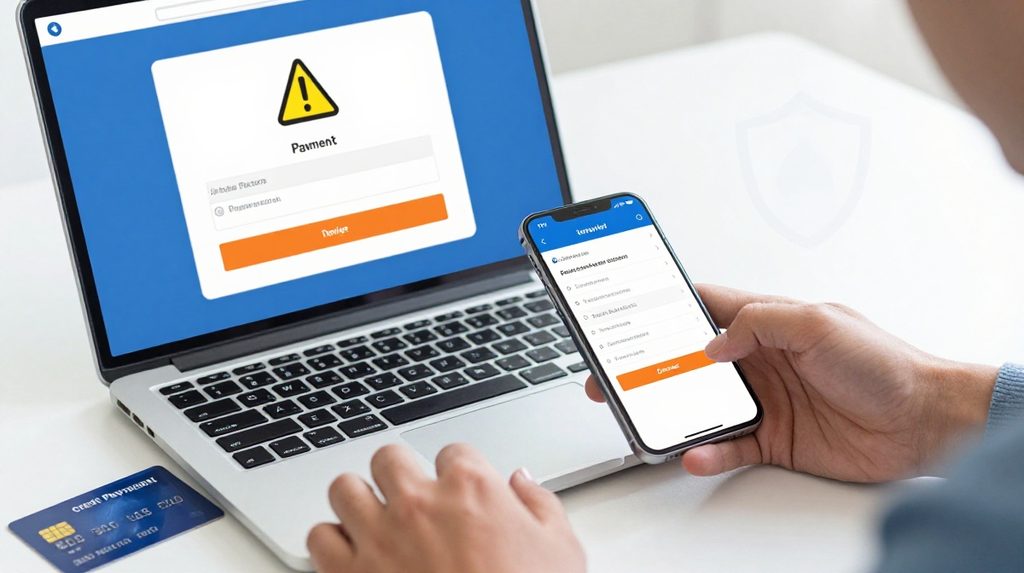
This is where many fake sites finally reveal themselves. Be cautious if the site:
- Only accepts payments to a personal UPI ID with a name like rahul123@upi rather than a business handle
- Cannot show any payment history inside your account after you deposit
- Asks you to transfer money to a personal savings account, not a business account
- Offers bonuses that seem unrealistically large, such as 200% matched deposit up to ₹1 lakh
Fraudulent platforms collect deposits through informal channels because they have no real payment infrastructure. If something about the payment process feels like you’re sending money to a stranger, stop immediately.
What to Do If You Suspect a Fake Site
Do not transfer any money. Take screenshots of the site’s URL, any chat conversations, and payment details you were shown, including UPI IDs or account numbers. Then file a complaint at the National Cyber Crime Reporting Portal, run by India’s Ministry of Home Affairs. You can also call the cybercrime helpline at 1930, which is available in Hindi and several regional languages.
If you have already lost money, report it as quickly as possible. Banks and police can sometimes trace and freeze transactions within the first few hours. Delay makes recovery much harder.
Gambling laws in India vary by state, so if you need clarity on what is or is not permitted where you live, speak with a qualified legal professional before taking any action on platforms of this type.