Lotus Betting Site in India Legal Status and Safety Tips
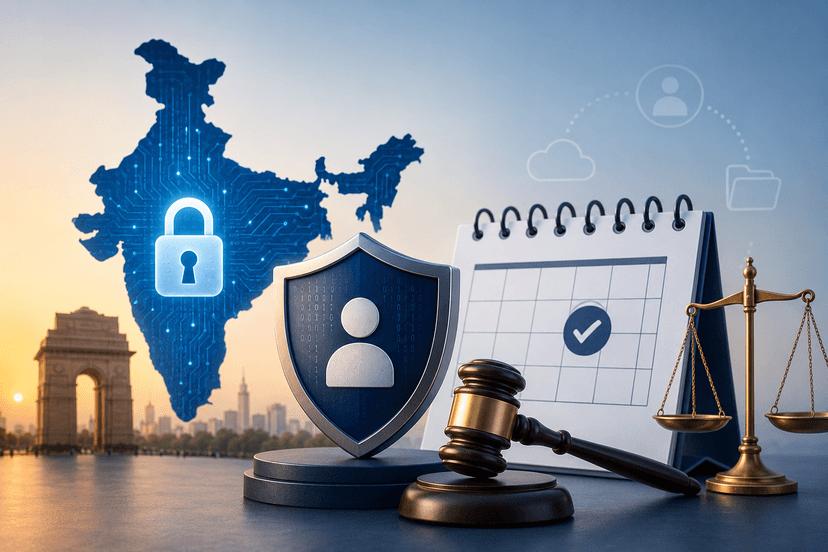
India passed its first nationwide online gaming law in August 2025, and the rules to enforce it came into force on May 1, 2026. If you’ve been using a Lotus betting site in India, or thinking about trying one, this is the single most important thing to understand before you deposit any money. Most guides online haven’t caught up with this change yet. This one has.
Below are the questions Indian readers are actually asking, answered plainly.
Is the Lotus Betting Site Legal in India Right Now?
The short answer is no, not under Indian law as it stands in 2026.
For years, online betting existed in what lawyers called a grey area. The Public Gambling Act of 1867 was written for physical gambling houses and never mentioned the internet. That gap let offshore platforms serve Indian users without direct legal challenge in India.
That changed when Parliament passed the Promotion and Regulation of Online Gaming Act, 2025 called the PROG Act. It received Presidential assent on August 22, 2025. The Rules under this Act came into force on May 1, 2026. The law bans online money games across India. It covers games of skill, games of chance, and hybrid formats, as long as real money is involved. Offshore platforms like Lotus betting sites are not registered in India and fall directly under the category of impermissible platforms under the new Act.
By March 2026, the Indian government had already blocked 8,376 gambling website URLs, with more than 4,800 of those blocks coming after the PROG Act passed, according to data reported by MediaNama.
What Does This Mean for You as a Player?
Here’s a detail most articles skip. The PROG Act creates no personal criminal offence for placing a bet online. The law focuses on operators, advertisers, and payment processors, not the individual user. There is no fine or jail sentence for an Indian player who bets on an offshore site. There is also no documented case in India where an individual user was prosecuted for online betting.
But not a criminal offence is very different from protected. Because offshore platforms operate outside Indian regulation, you have no legal recourse inside India if something goes wrong. Your deposit is not covered by any Indian consumer protection law. And as banks face increasing pressure from regulators, UPI or net banking transactions to gambling platforms may get flagged or blocked without warning. If a payment disappears, your options for recovery are limited.
A word of caution: If you live in Karnataka, Telangana, or Tamil Nadu, those states have their own laws that go further than the central Act. Even the general protection of no personal criminal liability may not apply uniformly across every state. If you are uncertain about your position, speaking with a lawyer who handles cyber law or gaming regulation is the right step.
What Kind of License Does Lotus Hold?

Lotus-branded platforms typically hold licenses from Curacao, an offshore jurisdiction that regulates gambling for platforms serving users across many countries. This means they are legal under the laws of the country where they are licensed.
In India, they are not licensed, not regulated, and not recognised by any government authority. The Online Gaming Authority of India OGAI, created under the PROG Act, only registers e-sports and online social games that do not involve cash stakes. Real-money betting falls outside that system entirely.
One practical result: because the platform is offshore, any dispute over your account, your winnings, or a blocked withdrawal will need to be handled through the platform’s own grievance process or through international channels. Indian consumer courts and banking ombudsman services will have very limited scope to help.
How to Stay Safe If You Access Betting Platforms Online
A large number of Indians still access offshore platforms. Lumikai’s State of India Interactive Media Report 2025 found that roughly one in three real-money gaming users had shifted to offshore betting sites after the domestic ban took effect, as reported by BusinessToday in March 2026. That shift brought a rise in fraud alongside it.
Scam betting sites surged around IPL 2026, with fraudsters using typo domains that look almost identical to real platforms, collecting deposits, and then disappearing. Here’s a checklist of what to verify before trusting any site:
| What to check | What a genuine platform shows |
|---|---|
| License | A real license number verifiable on the Curacao or Malta regulator’s site |
| Customer support | Live chat or email that actually responds before you deposit |
| Withdrawal terms | Clear timelines with no unusual restrictions |
| Payment methods | Recognised UPI or bank gateway, not crypto-only options |
| App source | Official website only, no WhatsApp or Telegram links |
| Age gate | Must be 18 or older; visible on sign-up |
If you want to install a mobile app, always go through the platform’s own website. The lotus365 apk should come only from the official source. Installing APK files from WhatsApp groups, Telegram channels, or third-party stores is one of the most common ways Indian users get malware or end up on a fake clone site.
Similarly, if you use sub-platforms or variants like lotus365 blue, always verify the URL by typing it directly into your browser. Fraudsters clone the look of legitimate platforms right down to the colours and logos, then collect deposits that can never be withdrawn.
Taxes on Betting Winnings: Don’t Ignore This

This is the part most betting guides conveniently leave out. Under Section 115BB of the Income Tax Act, gambling winnings in India are taxed at 30 percent, plus applicable cess, regardless of whether the platform is domestic or offshore. The Supreme Court also upheld a 28 percent GST on the full face value of each bet in a ruling on May 28, 2026. That GST applies to operators, but the income tax obligation rests with you.
If you win money on any betting platform and do not declare it in your ITR filing as income from other sources, that is a separate legal risk you carry. A tax professional or chartered accountant can guide you on how to handle this correctly.
Quick recap before you decide anything: Online money gaming including sports betting is banned under Indian law from May 2026. Individual players do not face criminal penalties, but they also have no legal protection. Offshore platforms are not licensed in India. Taxes on winnings still apply. If you use any betting site online, verify licenses, download apps only from official sources, and use modest, trackable payment methods.