
Why Account Details Must Match Your Verified Personal Records
You fill in a name, add a phone number, and think you’re done. Then, the moment you try to withdraw money, the platform asks for documents and says your name doesn’t match. The transaction stops. Your funds are stuck. This happens to thousands of Indian users every year, and almost always because the account details entered at registration did not exactly match the person’s verified official records.
This article explains why platforms ask for this match, what the rules say in India, and what you can do to avoid problems.
What Verified Personal Records Actually Means
In India, your verified personal records are the official documents the government has issued in your name. These include your Aadhaar card, PAN card, passport, voter ID, and driving licence. The details on these documents, especially your full name and date of birth, are treated as the legal reference point.
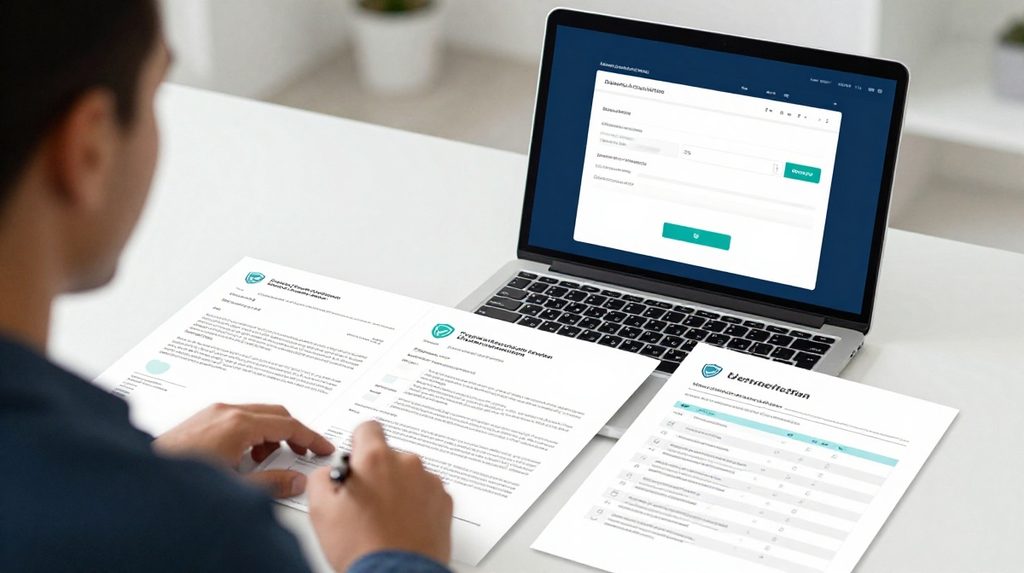
When you open a bank account, sign up on a financial app, or complete a lotus365 signup on a gaming platform, you are asked to enter your personal details. Those details are later cross-checked against your documents. If the details on screen and the details on your ID do not match, the system flags the account.
This checking process is known as KYC. KYC stands for Know Your Customer and it is a legal requirement in India, not just a platform preference.
Why Platforms in India Are Required to Verify Your Identity
The Reserve Bank of India RBI has issued detailed KYC guidelines under its Master Directions, which all banks and regulated financial entities must follow. These rules were updated most recently in November 2024 and again with a circular issued on June 12, 2025. The 2025 update focused on making the process easier for customers while keeping the core verification requirement in place.
The reason the rule exists comes down to three things. First, it prevents fraud. When an account is tied to a verified identity, it becomes much harder for someone else to open a fake account in your name or to use your money without your knowledge. Second, it stops money laundering. India follows the Prevention of Money Laundering Act, and verification is the first line of defence. Third, it protects you. If someone hacks your account and tries to withdraw your funds, the platform can confirm they are not you because the documents won’t match.
The RBI’s KYC Master Directions require that a customer’s name, address, and identity details are confirmed before any significant financial transaction is processed. Banks that fail to comply can face monetary penalties, and several have been fined in 2024 and 2025 for exactly this reason.
What Happens When Your Details Don’t Match
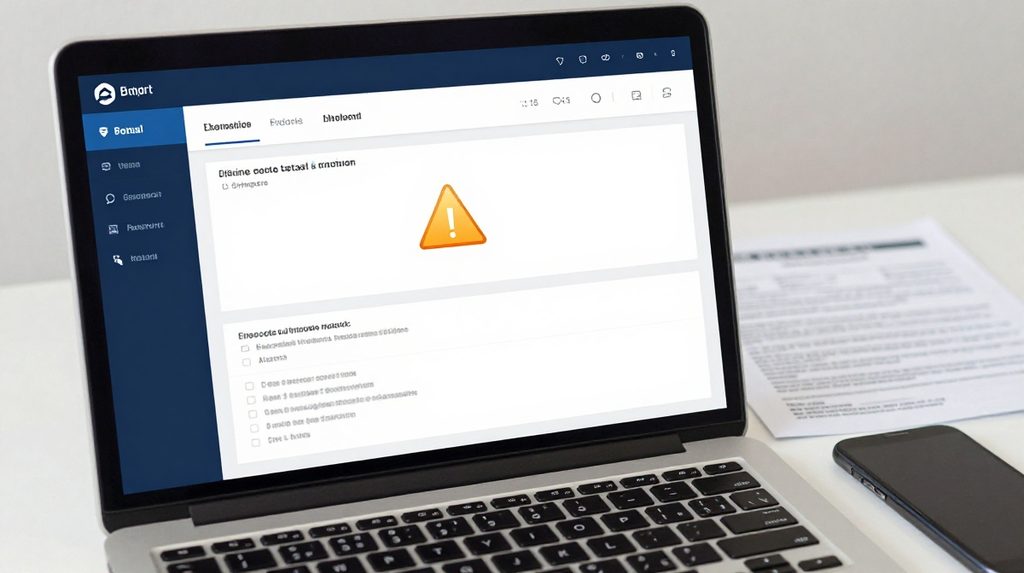
A mismatch between what you entered and what your ID shows can cause several problems, some minor and some serious.
Your withdrawal gets blocked. This is the most common and immediate problem. Whether you are using a banking app, a payment service, or have completed a lotus365 login on a gaming platform, withdrawals are almost always held until your identity is fully verified. If your account name says Rahul S Kumar but your PAN says Rahul Suresh Kumar, the system treats this as a mismatch and rejects the document upload.
Your KYC fails and the account is frozen. Banks and platforms are allowed to restrict account activity if KYC is incomplete or mismatched. Under the Prevention of Money-Laundering Rules, 2005, a bank can first limit your transactions and, after giving due notice, close the account entirely if the issue is not resolved.
Your subsidy or payment gets delayed. This matters especially for government benefit schemes. Outdated or mismatched KYC has caused delays in Direct Benefit Transfer DBT payments to rural account holders. The RBI specifically addressed this in its June 2025 circular, instructing banks to ensure KYC issues do not block rightful account holders from accessing their own funds.
Your account may be flagged for suspicious activity. When details do not match, automated systems mark the account for review. This can trigger a manual check that takes days or even weeks to resolve.
Common Reasons for a Name Mismatch in India
India has a long tradition of name variations, and this creates genuine confusion during verification. Here are the situations that come up most often:
| Situation | Example | What to Do |
|---|---|---|
| Middle name missing from one document | PAN: Priya Sharma / Aadhaar: Priya Anand Sharma | Use a name correction affidavit or update one document |
| Initials vs full name | Bank: A K Singh / PAN: Arun Kumar Singh | Update bank records to match PAN exactly |
| Spelling variation | Mohammed vs Mohammad | Submit a self-declaration form to the bank |
| Name after marriage | Pre-marriage documents vs post-marriage name | Show marriage certificate during verification |
| Nickname or shortened name | Brijesh vs Brijeshkumar | Request official name update via the relevant authority |
Even a small difference, such as a missing middle name or a different spelling of the same name, can cause KYC rejection. The system checks for an exact match, not a similar match.
How to Make Sure Your Details Match Before You Sign Up
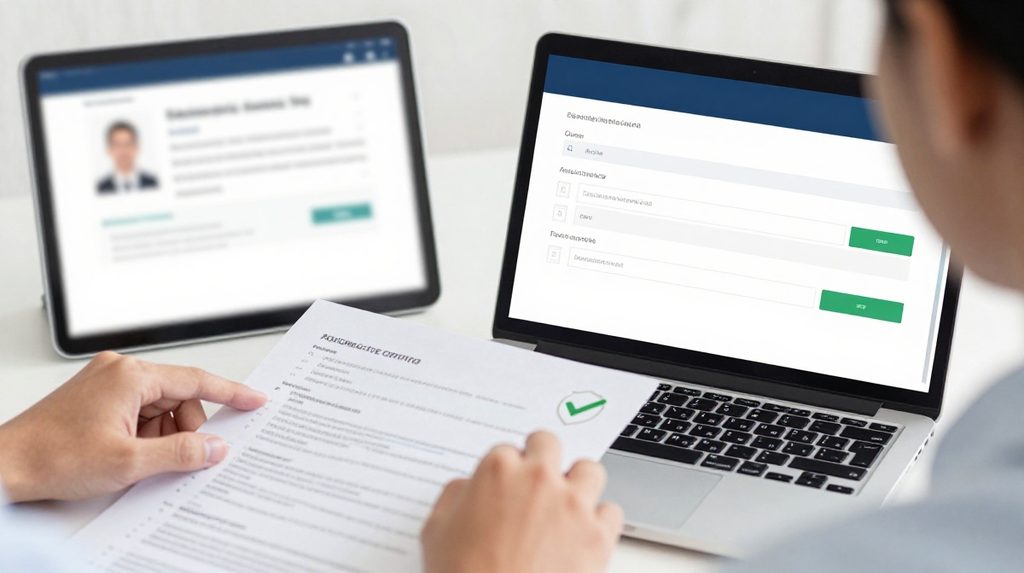
The simplest way to avoid a mismatch is to check your documents before you fill in any form. Use the name exactly as it appears on your PAN card, since PAN is the most commonly used document for financial verification in India. The Income Tax Department verifies PAN details in real time against its own database, so even one wrong letter will be caught.
Here is a quick check to run before registering on any financial or gaming platform:
- Open your PAN card and note the name exactly as printed.
- Compare it with the name on your Aadhaar and your bank account.
- If all three match, use that exact name when signing up.
- If they don’t match, fix the mismatch on the document before registering, rather than after.
If you have already registered with a wrong name, contact the platform’s support team before attempting a withdrawal. Most platforms allow you to correct account details with supporting documents, but this takes time. It is far easier to get it right the first time.
A Note on Platform Rules and User Safety
Online platforms that offer real-money features, whether games, trading, or other financial services, are required to follow verification rules before processing payouts. This is not something platforms invented to create trouble for users. It is a compliance requirement that protects both the user and the platform from fraud.
Age verification is also part of this process. Participation in real-money activities on licensed platforms is restricted to adults, and platforms check this through your date of birth on official documents. Always ensure your date of birth on the platform matches your ID exactly.
If you are unsure whether a particular platform is compliant with Indian regulations, check whether it asks for KYC before allowing withdrawals and whether it uses standard documents like Aadhaar, PAN, or a government-issued photo ID.